Business Guide
How to Provide Accurate Electrical Estimates
Learn to create precise electrical estimates for your business.
 SparkPilot4 min read
In this article
Understanding the Basics of Electrical Estimates
Creating accurate electrical estimates is crucial for the success of your electrician business. An estimate that is too low can eat into your profits, while an estimate that is too high might drive potential customers away. Here's a guide to help you get it right.
Gathering Information
Start by gathering all the necessary information about the project. This includes:
- Scope of Work: Clearly define what the project entails. Are you rewiring a house, installing new outlets, or upgrading a panel?
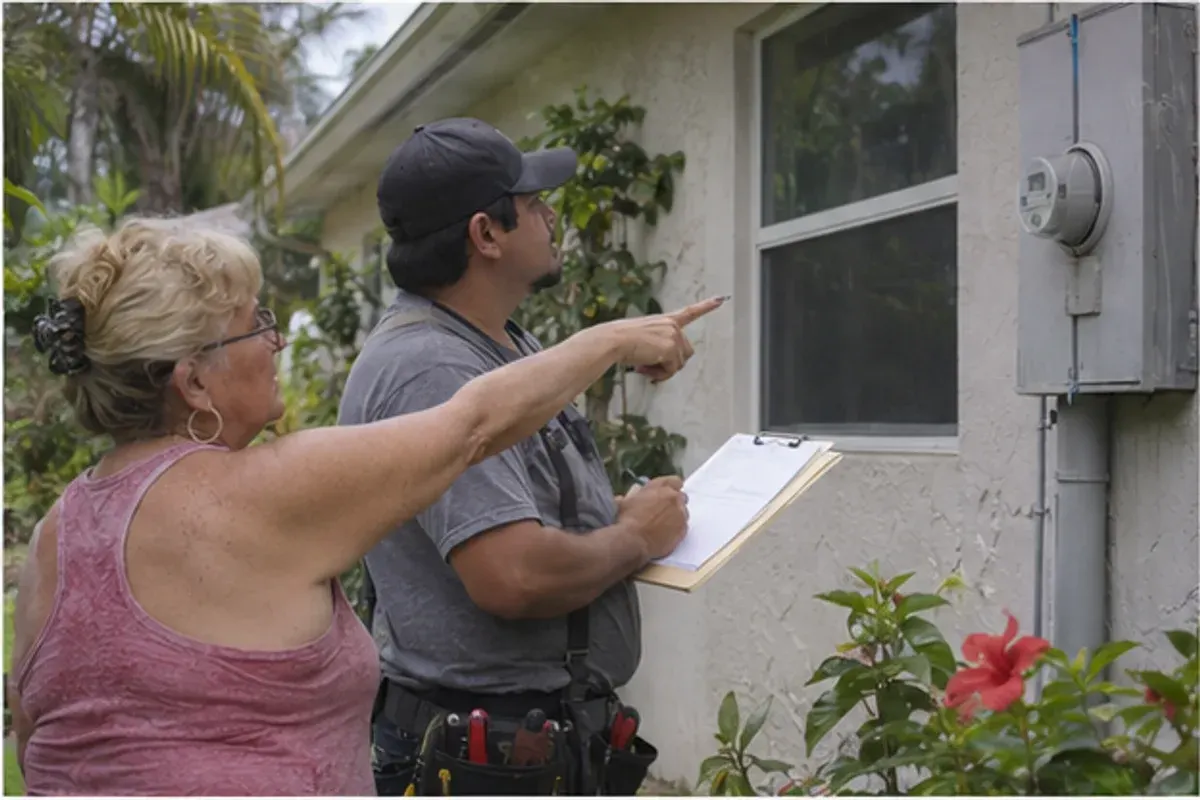
- Site Visit: Conduct a thorough site visit to understand the existing electrical infrastructure and any potential challenges. This will help you identify any unique aspects of the job that could affect the cost.
- Customer Requirements: Discuss with the client to understand their specific needs and preferences. This could include the types of fixtures they prefer or any special modifications they want.
Script Example
"Hi [Customer Name], thank you for considering us for your electrical needs. Could we schedule a time for me to visit the site? This will help me provide an accurate estimate and discuss any specific requirements you might have."
Material Costs
Material costs can vary widely depending on the type and quality of materials used. Here are some tips for estimating material costs:
- Create a List: Make a detailed list of all materials needed, like wires, outlets, switches, and panels. Be specific about quantities and types.
- Get Quotes: Contact suppliers to get current prices for these materials. It's a good idea to get quotes from multiple suppliers to ensure competitive pricing.
- Account for Waste: Always order a little extra to account for waste or mistakes. A general rule is to add 10% to your material estimates for waste.
Example
If you're installing a new electrical panel, you might need:
- A 200-amp panel ($150 - $300)
- Circuit breakers ($5 - $20 each)
- Wire ($0.10 - $0.50 per foot)
If you estimate needing 200 feet of wire, consider ordering 220 feet to account for any waste.
Labor Costs
Labor is often the most significant part of your estimate. Consider these factors:
- Time Required: Estimate how many hours the job will take. Consider the complexity of the work and any potential issues that could arise.
- Hourly Rate: Determine your hourly rate based on your experience, expertise, and market rates. For example, $50 - $100 per hour is common.
- Number of Workers: Consider if you need additional electricians or apprentices. More complex jobs might require a team.
Example
For a panel upgrade taking 8 hours with two electricians at $75 per hour:
- Total Labor Cost = 8 hours x 2 electricians x $75/hour = $1,200
Permits and Fees
Many electrical jobs require permits. Always check local regulations and include permit costs in your estimate:
- Permit Fees: These can range from $50 to $200 depending on the project.
- Inspection Fees: Some areas require inspections, which may have additional costs.
Example
If your local permit fee is $100 and an inspection fee is $50, add $150 to your estimate.
Overhead and Profit
Don't forget to include overhead costs and your profit margin:
- Overhead: This includes insurance, vehicle expenses, tools, and office costs. Typically, this is 10% to 20% of your total costs.
- Profit Margin: Decide on a reasonable profit margin, often between 10% and 20%.
Example
If your total costs (materials + labor + permits) are $2,000:
- Overhead (15%) = $300
- Profit Margin (15%) = $300
- Total Estimate = $2,600
Presenting the Estimate
Once you've calculated all costs, present the estimate to your client in a clear and professional manner. Include:
- Detailed Breakdown: Show the client a breakdown of materials, labor, permits, and other costs. This transparency helps build trust.
- Terms and Conditions: Outline payment terms, project timelines, and any other conditions. Make sure the client understands when payments are due and any penalties for late payments.
Script Example
"After reviewing the project details and requirements, I've prepared a detailed estimate for you. It includes a breakdown of materials, labor, and other costs. Please let me know if you have any questions or need further clarification."
Final Thoughts
Accurate estimates are the backbone of a successful electrical business. By taking the time to gather information, calculate costs, and present a detailed estimate, you can ensure your business remains profitable and your clients are satisfied. Remember, clear communication and transparency with your clients can significantly enhance your business reputation and client satisfaction.
Frequently asked questions
How can I ensure my estimates are accurate?
Gather detailed project information, calculate material and labor costs precisely, and include overhead and profit margins.
What should I include in an electrical estimate?
Include a breakdown of material costs, labor charges, permit fees, overhead, and profit margins.